
Hjem / Nyheter / Bransjyheter / Baghouse vs Cartridge Dust Collector: Hvordan velge riktig system for applikasjonen din
Posehus og patronstøvsamlere er de to dominerende teknologiene for industriell stofffiltrering av luftbårne partikler. Begge fanger opp støv ved å føre forurenset luft gjennom et stofffilterelement som fanger partikler på overflaten eller i strukturen, og rengjør deretter det oppsamlede støvet fra filteret for å gjenopprette luftstrømmen. Begge er egnet for et bredt spekter av industrielle støvtyper og konsentrasjoner. Men de to teknologiene håndterer forskjellig støvbelastning, partikkelstørrelser og driftsmiljøer med ulike effektivitetsnivåer, og å velge feil type for en spesifikk applikasjon produserer enten et system som underpresterer – tetter seg for fort, krever overdreven vedlikehold – eller et som er betydelig overkonstruert for applikasjonen med unødvendige kapitalkostnader.
Hvordan baghouses fungerer
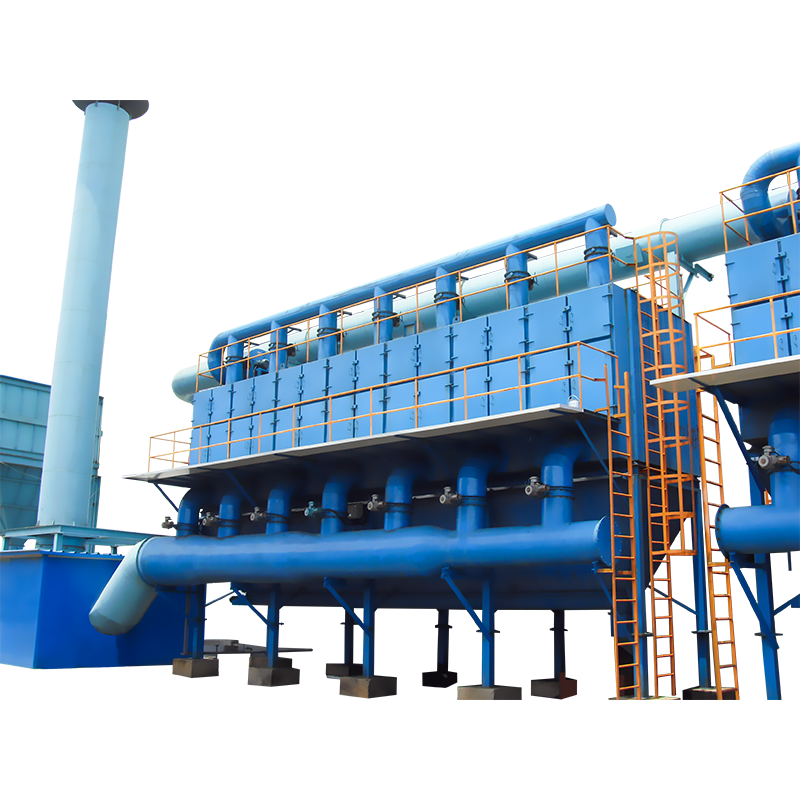
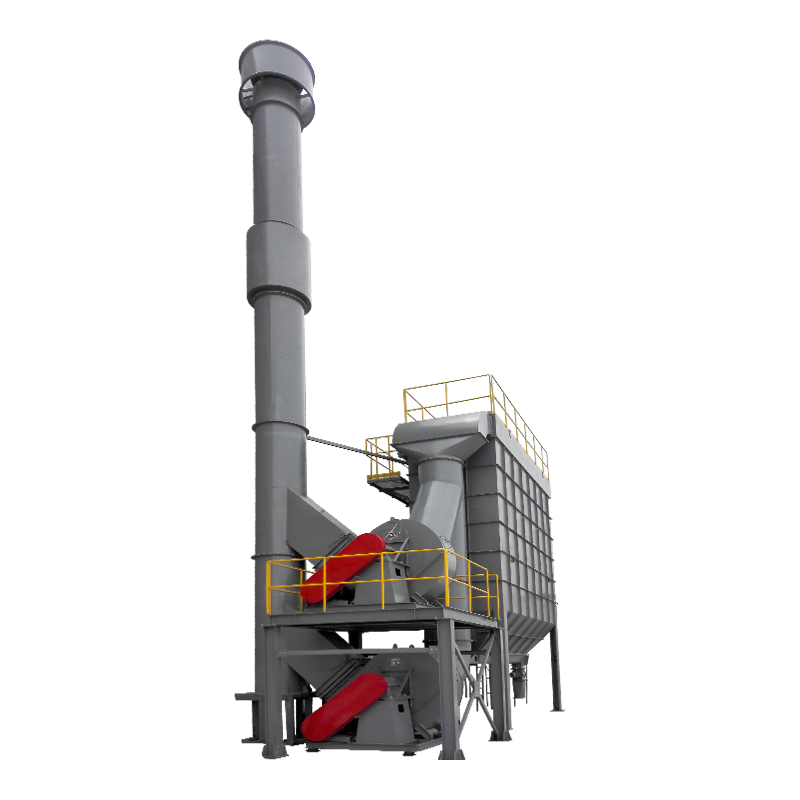
Et baghouse (også kalt et posefilter eller stofffilterstøvsamler) bruker sylindriske stofffilterposer som filterelementer. Posene er opphengt vertikalt i et hus, med forurenset luft som kommer inn i huset og passerer fra utsiden av posene og innover (i den vanligste revers-pulse-jet-designen), og legger støv på utsiden av posen. Ren luft kommer ut gjennom innsiden av posen til renluftutløpet. Ettersom støv samler seg på posens utside, øker filtreringseffektiviteten (støvkaken i seg selv fungerer som et sekundært filterlag), men luftstrømmotstanden øker, noe som til slutt krever at posene rengjøres.
Poserengjøring i pulse-jet baghouses bruker korte støt med trykkluft injisert inn i den rene siden av posen (ovenfra, i retning innvendig og ut). Trykkluftpulsen får posen til å bøye seg og kneppe, og bryter støvkaken løs fra utsiden slik at den faller ned i beholderen under. Denne rensesyklusen kan tidsbestemmes etter en fast tidsplan eller utløses av differensialtrykksensorer som oppdager når trykkfallet over filterposene har nådd en renseterskel. Puls-jet-rengjøringsmekanismen gjør at systemet kan rengjøre poser kontinuerlig under drift (online-rengjøring) uten å slå av systemet - poser rengjøres i rekkefølge, med bare en liten brøkdel av posens overflate som rengjøres til enhver tid.
Hvordan patronstøvsamlere fungerer
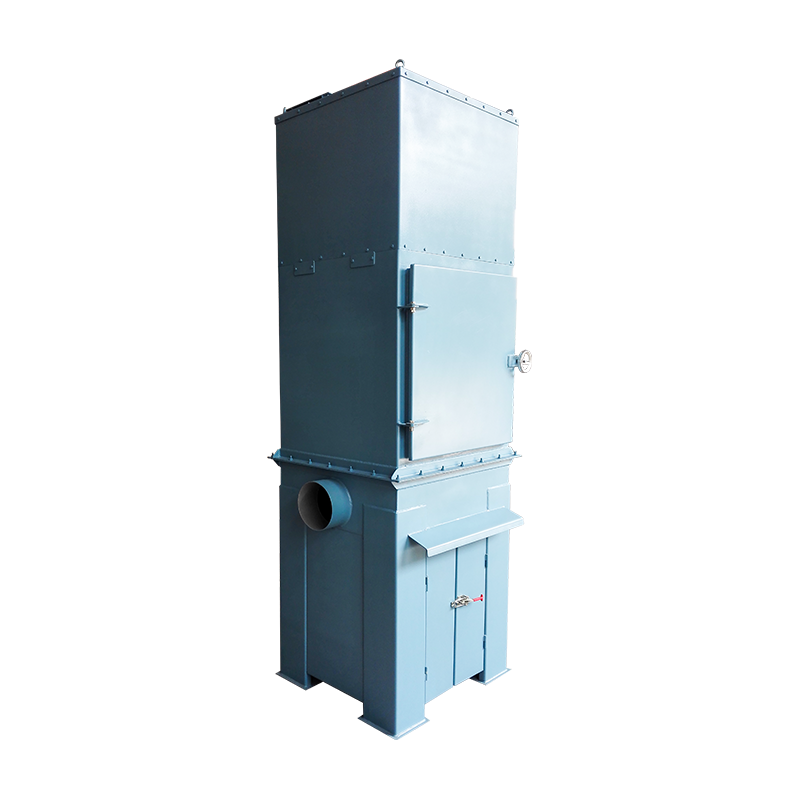
En patronstøvsamler bruker plisserte filterpatroner som filterelementer i stedet for sylindriske poser. Plisseringen øker det tilgjengelige filteroverflatearealet dramatisk per enhet av husvolum: En typisk filterpatron i et kompakt hus gir 6–10 ganger filteroverflaten til posen den kan erstatte, fordi det plisserte mediet foldes tilbake på seg selv mange ganger innenfor patrondiameteren og -lengden. Dette høye filterarealet per volumenhet er patronoppsamlerens primære strukturelle fordel - patronsystemer kan oppnå samme luft-til-duk-forhold (den volumetriske luftstrømmen per enhet filteroverflate, uttrykt i m/min) som et baghus i et betydelig mindre fysisk fotavtrykk.
Patronfiltermedier er vanligvis en cellulose-polyesterblanding eller et spunnbundet polyesterlag belagt med PTFE (polytetrafluoretylen) eller en nanofibermembran. Det membranbelagte mediet gir en overflatefiltreringsmekanisme - partikler fanges opp på den glatte membranoverflaten i stedet for innenfor filtermediets dybde - som muliggjør effektiv pulsrengjøring (partikler frigjøres rent fra den glatte overflaten) og opprettholder lavt trykkfall over lengre bruksperioder sammenlignet med dybdelastende baghouse-medier, der partikler trenger inn i filterfiberstrukturen.
Rengjøring i patronsamlere bruker også trykkluft-puls-jet-rensing, men pulsen ledes ned på innsiden av patronen ovenfra. Utbruddet får den plisserte patronen til å bøye seg, og slipper støvkaken fra den ytre plisserte overflaten inn i beholderen under.
Viktige forskjeller som driver valgbeslutningen
Støvlasting
Dette er den viktigste valgparameteren. Støvbelastning — massekonsentrasjonen av partikler i innløpsluften, typisk målt i g/m³ — bestemmer hvor raskt filtermediet fylles med støv og hvor hyppige rengjøringssykluser som kreves. Posehus er iboende bedre egnet for bruk med høy støvbelastning fordi deres større filteroverflateareal (i absolutte termer, for ekvivalent luftstrøm) og lavere filtreringshastighet gir en større margin mot rask belastning. I applikasjoner som sementanlegg, steinbrudd og kornhåndtering, hvor støvbelastningen kan nå titalls gram per kubikkmeter, er baghus standard.
Patronsamlere er optimalisert for lavere til moderat støvbelastning – typisk under 5–10 g/m³ for de fleste patronmedier, og under 1–2 g/m³ for membranbelagte kassetter, som er mer følsomme for lasting med fine partikler i høy konsentrasjon. Innen metallbearbeiding, trebearbeiding, farmasøytisk produksjon og matvareforedling - der støvkonsentrasjonene er moderate, og partikkelstørrelsene vanligvis er fine - fungerer patronsamlere utmerket. I industrimiljøer med høy støvbelastning (sement, gruvedrift, stålproduksjon), vil patroner kreve svært hyppig utskifting, og økonomien favoriserer sterkt baghus.
Partikkelstørrelse og klebrighet
Fibrøst, klebrig eller hygroskopisk støv som fysisk vil feste seg til eller trenge inn i foldstrukturen til et patronfilter, håndteres bedre av konvensjonelle baghouse-medier, som er mer åpne og tilgivende for disse støvtypene. Oversprøyting av maling, fuktig prosessstøv og støv fra prosesser som involverer lim eller oljer kan blende patronfiltre raskt. Baghouse-poser med passende stoff (akryl, polyester eller spesialbelegg for den spesifikke kjemien) håndterer disse vanskelige støvtypene mer pålitelig.
For fine, tørre, ikke-klebrige partikler (metallslipestøv, trebearbeidingssagflis, farmasøytisk pulver, matingrediensstøv) fungerer patronsamlere med membranbelagte medier utmerket. PTFE-membranoverflaten gjør at fine partikler kan fjernes rent under pulsrengjøring, og opprettholder lavere differensialtrykk over tid sammenlignet med dybdebelastningsmedier som fanger fine partikler permanent inne i stoffstrukturen.
Fysisk fotavtrykk og installasjon
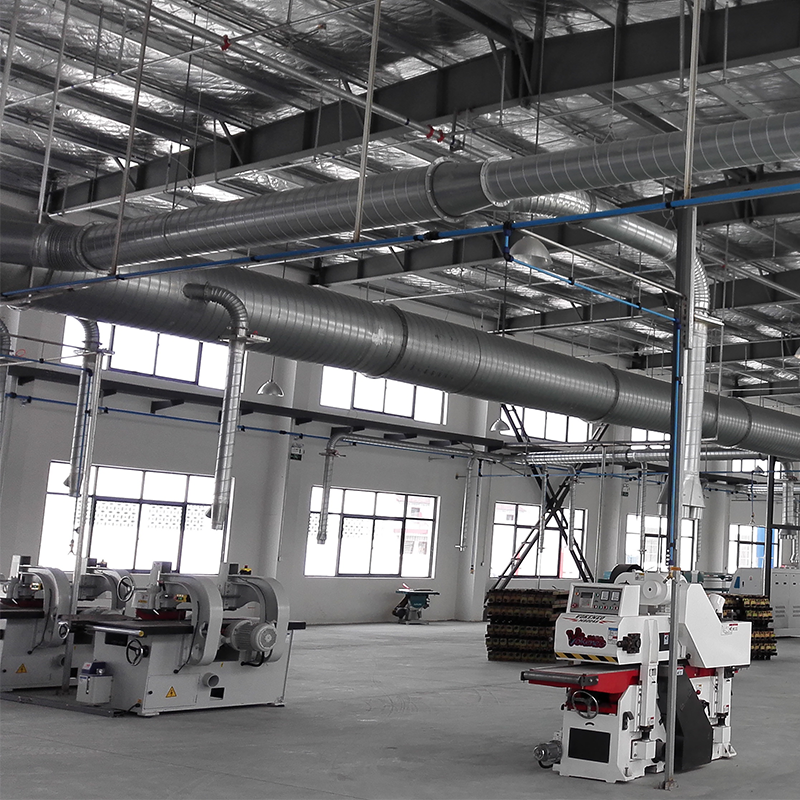
Det er her patronsamlere har en klar fordel. En patronoppsamler som betjener samme luftstrøm som et tilsvarende posehus krever vesentlig mindre gulvplass og mindre vertikal høyde fordi den plisserte patronen pakker mye mer filterareal inn i hvert filterelement. I eksisterende anlegg hvor takhøyde eller gulvplass er begrenset, passer patronsamlere ofte der et baghus ikke ville. For nye installasjoner hvor plass ikke er en begrensning, er footprint-sammenligningen mindre relevant for utvalget.
Filtermediekostnad og erstatning
Baghouse-filterposer har en lavere enhetskostnad enn patronfiltre for tilsvarende filterareal, men den totale livssyklusfiltermediekostnaden avhenger av utskiftningsfrekvensen, som igjen avhenger av applikasjonens støvbelastning og partikkelslipeevne. I høystøvapplikasjoner der poser varer ett til flere år, er den totale mediekostnaden håndterbar. Patronfiltre i godt tilpassede applikasjoner (lav til moderat belastning, kompatibel støvtype) kan ha svært lang levetid – 2–5 år er oppnåelig – og den høyere enhetskostnaden per filter kan rettferdiggjøres av redusert erstatningsarbeid og nedetid i systemet.
Sammendrag side om side
| Faktor | Baghouse (posefilter) | Patron støvsamler |
|---|---|---|
| Filterelement | Sylindriske stoffposer (vevd eller tovet) | Plissert patron (cellulose-polyester eller membranbelagt) |
| Filteroverflateareal per volumenhet | Nedre poser gir mindre areal per kubikkmeter hus | Høyere — plissering multipliserer området innenfor en kompakt konvolutt |
| Fysisk fotavtrykk | Større – krever mer gulvplass og høyde | Mindre – mer kompakt for tilsvarende luftstrømkapasitet |
| Støvbelastningskapasitet | Høy — egnet for tunge industristøvkonsentrasjoner | Moderat — best for lav til moderat støvbelastning |
| Fibrøst eller klebrig støv | Håndterer godt med passende posemateriale | Dårlig — kan blinde folder; anbefales ikke |
| Fin tørrpartikkeleffektivitet | Bra med fine filtmedier | Utmerket med PTFE-membrankassetter |
| Rengjøringsmekanisme | Pulse-jet, reversert luft eller shaker | Pulse-jet (standard) |
| Typiske bransjer | Sement, gruvedrift, stål, kraftproduksjon, steinbrudd, korn | Metallbearbeiding, trebearbeiding, farmasøytiske produkter, matvareforedling og laserskjæring |
| Enhetsfilterkostnad | Lavere per filterelement | Høyere per filterelement; høyere areal per element |
| Levetid (godt tilpasset applikasjon) | 1–5 år er typisk for vesker | 2–5 år er typisk for patroner i rent, tørt støv |
Ofte stilte spørsmål
Kan et baghus oppgraderes eller ettermonteres med patronfiltre?
I noen tilfeller, ja – det er ettermonteringssystemer som erstatter konvensjonelle poser i et eksisterende baghushus med filterelementer i patronstil, ved hjelp av adaptere som passer patronen inn i de eksisterende posenes monteringsposisjoner. Den praktiske fordelen er det høyere filterarealet per element, som effektivt kan øke et posehuss filtreringskapasitet uten å erstatte hele huset. Dette er mest nyttig når det originale baghuset ble dimensjonert for konservativt for økt produksjonskapasitet. Egnetheten avhenger imidlertid av om huskonfigurasjonen gjør at pulsrensesystemet kan tilpasses for kassettrengjøring, og om støvtype og belastning er kompatible med kassettmedier. Ikke alle baghouse-hus har plass til ettermontering, og en teknisk vurdering av det spesifikke eksisterende systemet er nødvendig før du fortsetter.
Hvilket differansetrykk bør utløse pose- eller patronrensing?
De fleste industrielle støvsamlere er konstruert for å fungere med et differensialtrykk over filtermediet på 1000–2500 Pa (omtrent 4–10 tommer vannsøyle) under normale driftsforhold. Rengjøringssyklusen utløses når differensialtrykket når den øvre terskelen i designdriftsområdet, og rengjøringen fortsetter til trykket faller til den nedre terskelen. For pulserende systemer med rengjøring på forespørsel kontrollert av differensialtrykksensorer, sikrer denne automatiske justeringen at rensesyklusfrekvensen tilpasser seg varierende støvbelastningsforhold i stedet for å kjøre på en fast tidtaker som kan overrense (sløse med trykkluft) eller underrense (tillater at trykket bygges opp for mye). Filtre som opererer ved konsekvent svært høyt differensialtrykk – over designmaksimum – indikerer enten overdreven støvbelastning, blendet filtermedium på grunn av inkompatibel støvtype, eller utilstrekkelig filterareal for den faktiske luftstrømmen, som alle krever undersøkelser i stedet for bare å øke rengjøringsfrekvensen.
Finnes det støvtyper som verken et baghus eller en patronsamler skal håndtere?
Eksplosivt støv krever spesielle designhensyn utover valg av filtertype - hele støvoppsamlingssystemet må være utformet for å forhindre antennelseskilder og må inkludere eksplosjonsbeskyttelse (eksplosjonsventilasjon, undertrykking eller isolasjon) uavhengig av om poser eller patroner brukes. ATEX (EU) og NFPA 68/69 (US) standarder styrer design av eksplosiv støvsamler. Radioaktivt, svært giftig eller kreftfremkallende støv krever spesialiserte inneslutningssystemer med strenge krav til lekkasjeforebygging, uavhengig av filtertype. Høytemperatur prosessgasser (over ca. 120°C for standard polyestermedier, høyere for spesialmedier med høy temperatur) krever filtermedier valgt spesifikt for temperaturområdet — standard polyesterposer og de fleste standard patronmedier er begrenset til 120–140°C kontinuerlig drift; over dette kreves aramid-, glassfiber- eller PTFE-medier. Bekreftelse av den maksimale innløpsgasstemperaturen og mediets temperaturklassifisering er et standardtrinn i støvsamlerspesifikasjonen for enhver bruk med forhøyet temperatur.
Posefilter støvsamler | Patrontype Støvsamler | Pulse Jet Dust Collector | Kontakt oss